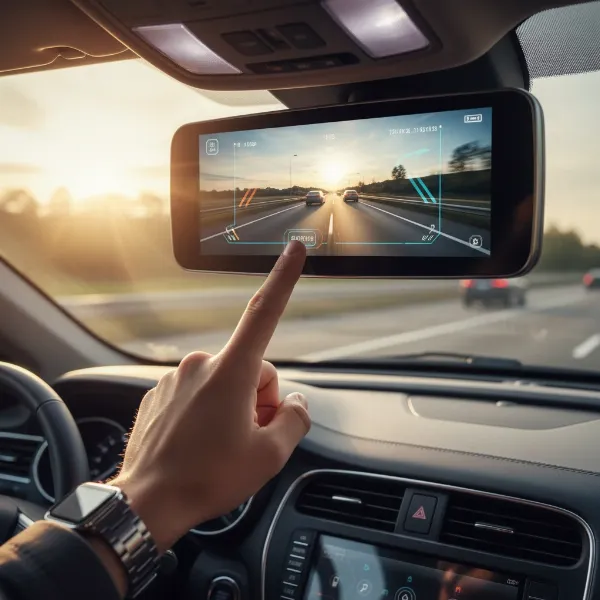
In today’s driving world, a dash cam is more than just a gadget; it’s your silent witness on the road, providing invaluable evidence in case of an accident, protecting against false claims, and even capturing unexpected moments. But what good is a high-resolution dash cam if its view is constantly obstructed by a dirty, hazy, or streaky windshield? Blurred images, obscured license plates, and dazzling light streaks can compromise the very purpose of your device, turning critical footage into useless pixels. The truth is, even the most advanced 4K dash cam is only as good as the glass it looks through.
This comprehensive guide will transform your windshield from a visual hindrance into a crystal-clear window for your dash cam. With over a decade of hands-on experience in dash cam technology, I understand the nuances that impact video clarity. From tackling stubborn interior haze caused by off-gassing to banishing external grime, we’ll cover the essential techniques, products, and maintenance tips to ensure your dash cam captures every detail, every time. Get ready to enhance your driving safety and secure your peace of mind with a perfectly clean windshield.
The Unseen Enemy: Why a Dirty Windshield Ruins Dash Cam Footage
A perfectly positioned dash cam can still deliver disappointing footage if the windshield isn’t spotless. The clarity of your dash cam’s recordings hinges entirely on the unobstructed view it has of the road ahead. Any imperfection on the glass, no matter how minor it seems to the naked eye, can be significantly amplified by the camera lens, especially in varying light conditions.
Externally, your windshield is a magnet for road grime, bug splatter, tree sap, bird droppings, and water spots, all of which act as physical barriers to light, causing blurriness and reducing contrast in your footage. Internally, the problem is often more insidious: a persistent, oily film known as “off-gassing.” This haze develops as interior plastics, vinyl, and even fabrics in your car release volatile organic compounds (VOCs) over time, which then condense on the inside of the glass. Smoke residue from vaping or cigarettes can also contribute significantly to this internal film. This internal haze, often most noticeable at night or when driving into direct sunlight, scatters light, creating distracting glares, starburst effects around light sources, and prominent light streaks across your dash cam’s video.
These visual obstructions not only degrade the quality of recorded events but can also impact the performance of your vehicle’s Advanced Driver-Assistance Systems (ADAS), such as lane keeping assist or adaptive cruise control, which often rely on forward-facing cameras. For your dash cam to effectively serve as an impartial witness, capturing clear and undeniable evidence, a pristine windshield is non-negotiable.
Essential Tools for a Streak-Free Windshield
Achieving a truly spotless windshield for optimal dash cam clarity requires more than just a quick wipe. The right tools and cleaning agents are paramount to effectively cut through grime and film without leaving behind frustrating streaks or residue.
Here’s your arsenal for a crystal-clear view:
- High-Quality Microfiber Towels: These are your most important companions. Invest in several lint-free microfiber towels, ideally a “two-towel system” – one for applying cleaner and initial wiping, and a second, dry one for buffing. Waffle weave microfiber towels are particularly effective for drying glass without leaving fibers.
- Ammonia-Free Automotive Glass Cleaner: Essential for cars with tinted windows, as ammonia can damage tint over time, leading to discoloration or bubbling. Opt for dedicated automotive glass cleaners that are specifically designed to tackle road grime and vehicle-specific residues. Popular choices include Invisible Glass and Meguiar’s Perfect Clarity.
- Isopropyl Alcohol (IPA) Solution: For stubborn internal haze and oily films, a diluted isopropyl alcohol solution is a game-changer. A common and effective mix is 1 part 70% IPA to 2 parts distilled water, with an optional single drop of dish soap to act as a wetting agent. This powerful mixture excels at breaking down grease, smoke, and off-gassing residues.
- Warm Water and Dish Soap (for heavy grime): For particularly dirty exterior windshields, a bucket of warm water mixed with a few squirts of a mild dishwashing liquid (like Dawn) can be an excellent pre-cleaner to loosen heavy dirt before using a specialized glass cleaner.
- Windshield Cleaning Wand or Squeegee: These tools are invaluable for reaching the deepest corners of your interior windshield, where it’s otherwise impossible to apply even pressure. A good squeegee can also be very effective for external cleaning, especially if you have a larger vehicle.
- Optional Specialized Tools:
- 0000 Steel Wool: For deeply embedded dirt or mineral deposits on exterior glass only, ultra-fine 0000 steel wool can polish the glass without scratching it. Use with extreme caution and follow manufacturer guidelines. Note: Steel wool is highly flammable and should be handled and stored with care.
- Magic Eraser: Can act as a mild abrasive for localized, stubborn grime, especially on the exterior.
- Plastic Scraper or Razor Blade: For dried adhesive, paint overspray, or extremely tough spots. Use with extreme care, only on the exterior, with plenty of lubrication, and at a shallow angle. Never use on tinted glass.
By assembling this toolkit, you’ll be well-equipped to achieve a level of windshield clarity that ensures your dash cam captures everything with precision.
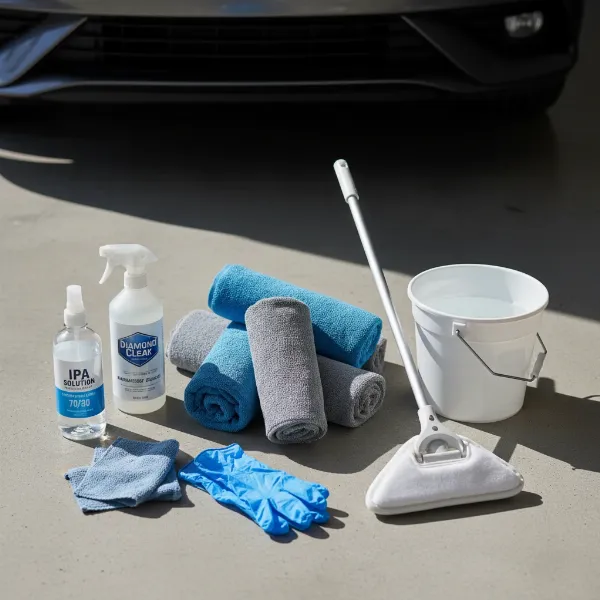 A comprehensive kit of tools for cleaning car windshields to ensure dash cam clarity.
Step-by-Step Guide: Cleaning Your Windshield for Dash Cam Clarity
Achieving a truly streak-free, crystal-clear windshield for your dash cam requires a methodical approach. Follow these steps for both the exterior and interior glass to ensure optimal visibility and video quality.
Preparation is Key
|
Our Picks for the Best Dash Cam in 2026
As an Amazon Associate I earn from qualifying purchases.
|
||
| Num | Product | Action |
|---|---|---|
| 1 | Dual 4K Dash Cam Front and Rear - Free 64G SD Card, 2160P+2160P UHD Dash Camera for Cars, Dashcam with 176°+160° Wide Angle, 3.5'' IPS Screen Dashcam, G-Sensor, WDR, Night Vision, 24H Parking Monitor |

|
| 2 | VIOFO A229 Plus Dash Cam Front and Rear, Dual STARVIS 2 Sensors, 2 Channel HDR, 1440P+1440P Voice Control Car Dash Camera, 5GHz Wi-Fi, Voice Control, Ultra-Precise GPS |
|
| 3 | REDTIGER 4K Dash Cam Front Rear, STARVIS 2 Sensor, Free Card Included, 5.8GHz WiFi-20MB/s Fast Download, Dash Camera for Cars with GPS, WDR Night Vision, 170°Wide Angle, 24H Parking Mode(F7NP) |
|
| 4 | WOLFBOX G840S 12" 4K Mirror Dash Cam Backup Camera, 5.8GHz WiFi Smart Rearview Mirror for Cars & Trucks, Front and Rear View Dual Cameras, Night Vision, Parking Assistance, Included 32GB Card & GPS |
|
| 5 | Dash Cam Front and Rear, 2.5K Dual Dash Camera for Cars, 2560P Mini Car Camera, 2 inch IPS Screen, 32GB Card Included, WDR Night Vision, 24 Hours Parking Monitor, G-Sensor, Support 256 GB Max |
|
| 6 | Garmin Dash Cam™ Mini 3, Ultracompact 1080p HD Dash Cam with a 140-degree Field of View, Built in Clarity™ Polarizer, Voice Controlled, Automatic Recording |
|
| 7 | Dash Cam Front and Rear, 1080P Dash Camera for Cars, 3 Channel Car Camera Front Rear and Inside with 32GB Card, Loop Recording, Night Vision, HDR, 24Hr Parking, G-Sensor |
|
| 8 | 4K+4K Dash Cam Front and Rear, Free 128GB Card Included, 5.8GHz WiFi Dash Camera for Cars, Built-in GPS, G-Sensor, 170°Wide Angle, 3" IPS Screen, 24H Parking Mode, Support 512GB Max |
|
| 9 | ROVE R2-4K DUAL Dash Cam Front and Rear, STARVIS 2 Sensor, FREE 128GB Card Included, 5G WiFi - up to 20MB/s Fastest Download Speed with App, 4K 2160P/FHD Dash Camera for Cars, 3" IPS, 24H Parking Mode |
|
| 10 | 4K Dash Cam Front, Built-in 5G WiFi, 64GB Card Included, Dash Camera for Cars, Mini Dashcam with Super Night Vision, Loop Recording, G-Sensor, 24 Hours Parking Monitor, Support 256GB Max |
|
Before you begin, proper preparation prevents unnecessary frustration and ensures the best results.
- Park in the Shade: Always clean your windshield when the glass is cool to the touch and out of direct sunlight. Cleaning in direct sun can cause cleaning solutions to evaporate too quickly, leaving streaks and residues.
- Protect Your Dashboard: Lay clean microfiber towels or an old bath towel across your dashboard to catch any overspray or drips, especially when cleaning the interior. This prevents potential staining or residue build-up on interior surfaces.
Exterior Cleaning: Tackling Road Grime
The outside of your windshield faces the brunt of environmental assault.
- Rinse (Optional, for heavy dirt): If your windshield is heavily caked with mud or significant bug splatter, a quick rinse with plain water can help remove loose debris and prevent scratching during the cleaning process.
- Apply Exterior Cleaner: Spray your ammonia-free automotive glass cleaner evenly across the exterior surface of the windshield. Work in manageable sections, especially if your windshield is large.
- Wipe with Purpose: Take a clean, folded microfiber towel and wipe the glass in a consistent pattern. Choose either vertical or horizontal strokes and stick with that direction across the entire section. This uniform motion helps prevent streaks. Apply moderate, even pressure to dislodge dirt and grime.
- Buff Dry: Immediately after wiping, use a second, clean, dry microfiber towel to buff the surface until it is completely dry and streak-free. Look at the glass from different angles to catch any missed spots.
- Address Stubborn Spots: For baked-on bugs or stubborn tar, you may need a dedicated bug and tar remover or a more focused application of your glass cleaner. For microscopic imperfections or deep-seated grime, a gentle pass with 0000 steel wool (used sparingly and carefully with lubrication) can sometimes make a surprising difference, but exercise extreme caution.
Interior Cleaning: Conquering the Haze
The interior of your windshield often harbors an invisible, oily film that significantly impacts dash cam clarity.
- Choose Your Cleaner: For general cleaning, an ammonia-free automotive glass cleaner works well. For persistent haze or smoke film, your IPA solution (1 part 70% IPA, 2 parts distilled water, 1 drop dish soap) is highly effective.
- Apply to Cloth, Not Glass: This is crucial for interior cleaning. Never spray cleaning solution directly onto the interior windshield. Instead, generously spray your chosen cleaner or IPA solution onto a clean microfiber towel. This prevents overspray from damaging dashboard materials or electronic components.
- Wipe with a Consistent Motion: Using your pre-sprayed microfiber towel, wipe the interior glass in a consistent side-to-side motion. This helps to lift and remove the oily film and reduces the chance of streaking, particularly important as dash cams often pick up internal reflections.
- Utilize a Cleaning Wand: For the hard-to-reach areas at the base of the windshield near the dashboard, a specialized windshield cleaning wand or tool with a microfiber cover will allow you to apply even pressure and reach every corner.
- Buff to Perfection: Immediately follow with a fresh, dry microfiber towel to buff the glass until it’s perfectly clear and dry. Again, inspect the glass from various angles, both inside and outside the car, to ensure no streaks or film remain.
- Tackle Deep-Seated Haze: If haze persists, reapply the IPA solution to a clean microfiber and focus on the affected areas with firm, circular motions, then buff dry. A Magic Eraser, lightly dampened, can also be effective for tough spots on interior glass, but always test in an inconspicuous area first.
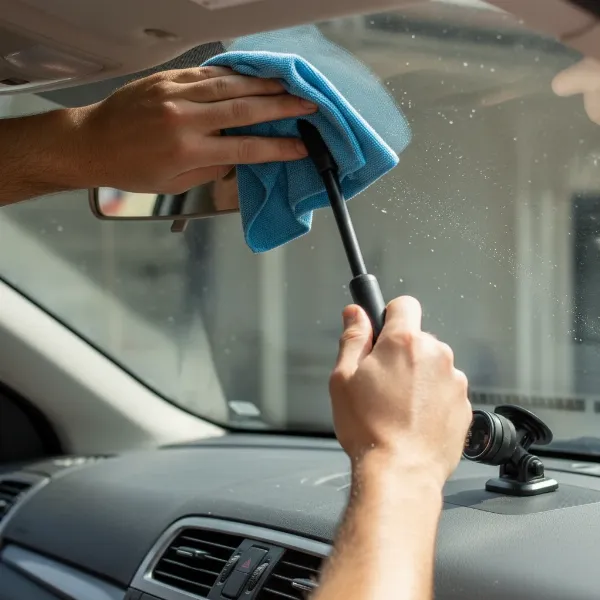 Person meticulously cleaning the interior of a car windshield to remove haze.
“The difference a truly clean windshield makes for dash cam footage is night and day. It’s not just about aesthetics; it’s about reliable data capture.” – Dashcamon.com Admin, Dash Cam Expert
Beyond Cleaning: Maintaining Crystal Clarity
Achieving a spotless windshield is a victory, but maintaining that clarity ensures consistent, high-quality dash cam footage over the long term. A proactive approach will keep your view unobstructed and your recordings sharp.
Regular Maintenance is Key
The most effective way to prevent severe build-up on your windshield, both inside and out, is through routine cleaning. Make it a habit to wipe down your windshield surfaces with a quick-detail glass cleaner and a fresh microfiber towel whenever you wash your car or notice any film developing. This prevents grime from becoming embedded and off-gassing haze from becoming opaque.
Enhance Your Dash Cam with a CPL Filter
For an additional layer of clarity, especially in bright conditions, consider equipping your dash cam with a Circular Polarizing Lens (CPL) filter. Just like polarized sunglasses, a CPL filter reduces glare and reflections from the windshield and dashboard, minimizing light streaks and improving color saturation and contrast in your recordings. This is particularly beneficial for dash cams mounted close to the glass, where internal reflections can be a persistent issue.
Hydrophobic Coatings: A Double-Edged Sword
Products like Rain-X or Aquapel create a hydrophobic layer on your exterior windshield, causing water to bead up and roll off, which can improve visibility in rain and make future cleaning easier. While these coatings can offer benefits, some detailers consider them “band-aid solutions” if not applied to a perfectly clean surface, as they can sometimes trap existing residues or cause wiper chatter. If you choose to use one, ensure your windshield is meticulously clean before application and follow the product’s instructions precisely.
Address Interior Ventilation and Off-Gassing
To minimize the build-up of interior haze from off-gassing, ensure good ventilation in your vehicle, especially when it’s new or parked in the sun. Running your car’s fan or air conditioning can help circulate air and reduce condensation. Periodically wiping down interior plastic and vinyl surfaces with a suitable interior cleaner can also help reduce the source of these volatile compounds.
Wiper Blade Maintenance
Don’t overlook your wiper blades. Old, worn, or dirty wiper blades can leave streaks and smudges on the exterior glass, directly impacting your dash cam’s view. Regularly clean your wiper blades with a damp cloth and replace them annually, or at the first sign of streaking or chattering.
By integrating these maintenance practices into your routine, you’ll ensure your dash cam consistently operates with the clearest possible view, capturing reliable footage whenever you hit the road.
Common Windshield Cleaning Mistakes to Avoid
Even with the best intentions, certain mistakes can turn your windshield cleaning efforts into a streaky, hazy nightmare, counteracting all your hard work and compromising your dash cam’s footage. Being aware of these common pitfalls can save you time and frustration.
- Cleaning in Direct Sunlight: As mentioned, direct sunlight causes cleaning solutions to evaporate too quickly, leaving behind unsightly streaks and residue. Always work in the shade or on a cloudy day.
- Using Ammonia-Based Cleaners on Tinted Windows: Ammonia is a powerful degreaser but is highly detrimental to window tint. It can dry out the tint adhesive, leading to bubbling, peeling, or discoloration. Always verify that your glass cleaner is ammonia-free, especially for interior use.
- Using Dirty or Low-Quality Towels: Reusing dirty microfiber towels simply reapplies grime and residues to the glass, creating streaks. Paper towels, while convenient, often shed lint and can scratch softer surfaces. Always use clean, high-quality microfiber towels specifically designed for glass.
- Spraying Directly onto Interior Glass: This can lead to overspray contaminating your dashboard, infotainment screen, and other delicate interior components, potentially causing damage or leaving hard-to-remove spots. Always spray your cleaner onto the microfiber towel first for interior cleaning.
- Ignoring the Interior Haze: Many drivers focus solely on the exterior, forgetting that the interior film from off-gassing is a major contributor to reduced clarity and dash cam glare. A thorough interior cleaning is just as important, if not more so, for optimal dash cam performance.
- Using Circular Motions Incorrectly: While circular motions can be effective for initial agitation, finishing with consistent linear (up-and-down or side-to-side) strokes helps prevent swirl marks and ensures a streak-free finish, especially when buffing dry.
- Over-Applying Product: Using too much cleaner can lead to excessive residue, making it harder to buff to a streak-free shine. A fine mist is usually sufficient.
- Not Changing Towels Frequently Enough: As you clean, your towels absorb dirt and oils. Using a saturated or soiled towel will only spread the grime around. Have several clean towels on hand and switch them out as they become dirty.
By consciously avoiding these common mistakes, you’ll ensure that your windshield cleaning efforts are genuinely effective, resulting in a perfectly clear view that maximizes your dash cam’s video clarity and your overall driving safety.
Conclusion
A crystal-clear windshield is more than just a matter of aesthetics; it’s a critical component of safe driving and an absolute necessity for optimal dash cam performance. From banishing stubborn off-gassing haze on the interior to tackling road grime and bug splatter on the exterior, the techniques and tools outlined in this guide empower you to achieve unparalleled visibility. By understanding the common culprits behind blurry footage and adopting a meticulous, step-by-step cleaning regimen, you ensure your dash cam reliably captures every detail, providing invaluable evidence and peace of mind on every journey.
Remember, your dash cam is only as effective as the view it has. Invest a little time and effort into maintaining a pristine windshield, and you’ll unlock the full potential of your device. What’s the single biggest challenge you face in keeping your windshield spotless for your dash cam?
Frequently Asked Questions
What causes haze on the inside of my windshield?
The most common cause of interior windshield haze is “off-gassing” from vehicle interior materials like plastics, vinyl, and adhesives. These materials release volatile organic compounds (VOCs) that condense on the cooler glass surface, forming an oily film. Smoke from vaping or cigarettes also contributes significantly to this haze.
Can I use Windex on my car’s windshield?
While Windex can technically clean car glass, it’s generally not recommended for repeated use, especially if you have tinted windows. Many household glass cleaners contain ammonia, which can damage automotive tint over time, leading to bubbling, peeling, or discoloration. Dedicated ammonia-free automotive glass cleaners are a safer and often more effective choice for tackling specific automotive grime.
How often should I clean my windshield for my dash cam?
For optimal Dash Cam clarity, a thorough cleaning of both the interior and exterior windshield is recommended at least once a month. However, quick spot cleaning for bug splatters or noticeable internal film might be needed more frequently, especially if you drive often, in dirty conditions, or notice reduced video quality.
What’s the best product for removing streaks?
The best “product” for removing streaks is often a combination of an effective, ammonia-free glass cleaner (like Invisible Glass or Meguiar’s Perfect Clarity) and the right technique. Using clean, high-quality microfiber towels (ideally two – one for cleaning, one for buffing dry) and wiping in consistent, linear motions (vertical or horizontal) are crucial for a streak-free finish.
Is it safe to use a razor blade on my windshield?
A new, single-edge razor blade can be used safely on exterior automotive glass for removing stubborn contaminants like paint overspray, stickers, or dried sap. However, it’s essential to use it with extreme caution, plenty of lubrication (such as glass cleaner or detailing spray), and always at a very shallow angle (around 45 degrees). Never use a razor blade on tinted glass, as it will scratch or damage the tint film.