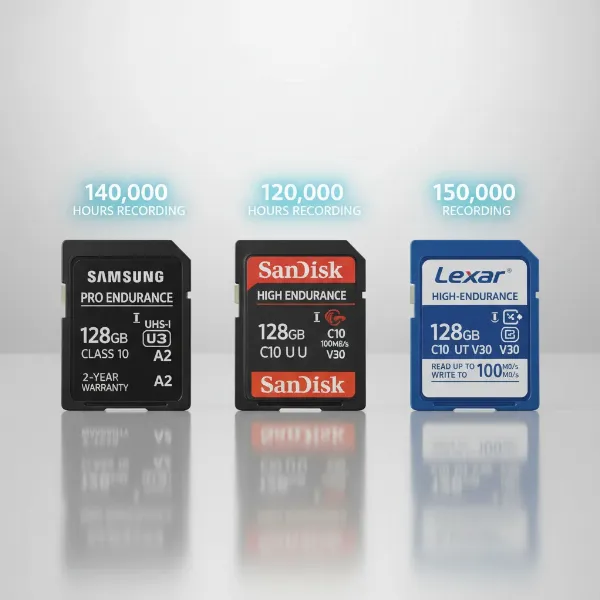
As an experienced dash cam technician, I’ve seen firsthand how crucial proper maintenance is for these vital devices. Your dash cam is only as reliable as its SD card, and knowing how to format it correctly can be the difference between capturing critical footage and encountering frustrating errors. This comprehensive guide will walk you through everything you need to know about preparing your dash cam’s memory card, ensuring consistent performance and extending its lifespan on every journey.
Why Proper SD Card Formatting is Crucial for Dash Cams
|
Our Picks for the Best Dash Cam in 2026
As an Amazon Associate I earn from qualifying purchases.
|
||
| Num | Product | Action |
|---|---|---|
| 1 | 4K+4K Dash Cam Front and Rear, Free 128GB Card Included, 5.8GHz WiFi Dash Camera for Cars, Built-in GPS, G-Sensor, 170°Wide Angle, 3" IPS Screen, 24H Parking Mode, Support 512GB Max |

|
| 2 | ROVE R2-4K DUAL Dash Cam Front and Rear, STARVIS 2 Sensor, FREE 128GB Card Included, 5G WiFi - up to 20MB/s Fastest Download Speed with App, 4K 2160P/FHD Dash Camera for Cars, 3" IPS, 24H Parking Mode |
|
| 3 | VIOFO A229 Plus Dash Cam Front and Rear, Dual STARVIS 2 Sensors, 2 Channel HDR, 1440P+1440P Voice Control Car Dash Camera, 5GHz Wi-Fi, Voice Control, Ultra-Precise GPS |
|
| 4 | 4K Dash Cam Front, Built-in 5G WiFi, 64GB Card Included, Dash Camera for Cars, Mini Dashcam with Super Night Vision, Loop Recording, G-Sensor, 24 Hours Parking Monitor, Support 256GB Max |
|
| 5 | WOLFBOX G840S 12" 4K Mirror Dash Cam Backup Camera, 5.8GHz WiFi Smart Rearview Mirror for Cars & Trucks, Front and Rear View Dual Cameras, Night Vision, Parking Assistance, Included 32GB Card & GPS |
|
| 6 | Garmin Dash Cam™ Mini 3, Ultracompact 1080p HD Dash Cam with a 140-degree Field of View, Built in Clarity™ Polarizer, Voice Controlled, Automatic Recording |
|
| 7 | Dash Cam Front and Rear, 2.5K Dual Dash Camera for Cars, 2560P Mini Car Camera, 2 inch IPS Screen, 32GB Card Included, WDR Night Vision, 24 Hours Parking Monitor, G-Sensor, Support 256 GB Max |
|
| 8 | REDTIGER 4K Dash Cam Front Rear, STARVIS 2 Sensor, Free Card Included, 5.8GHz WiFi-20MB/s Fast Download, Dash Camera for Cars with GPS, WDR Night Vision, 170°Wide Angle, 24H Parking Mode(F7NP) |
|
| 9 | Dual 4K Dash Cam Front and Rear - Free 64G SD Card, 2160P+2160P UHD Dash Camera for Cars, Dashcam with 176°+160° Wide Angle, 3.5'' IPS Screen Dashcam, G-Sensor, WDR, Night Vision, 24H Parking Monitor |
|
| 10 | Dash Cam Front and Rear, 1080P Dash Camera for Cars, 3 Channel Car Camera Front Rear and Inside with 32GB Card, Loop Recording, Night Vision, HDR, 24Hr Parking, G-Sensor |
|
Dash cams operate under demanding conditions, constantly writing and overwriting data in a continuous loop. This intensive activity makes their SD cards particularly susceptible to issues if not properly maintained. Regular formatting is not just a suggestion; it’s a necessity for ensuring your dash cam functions reliably.
Preventing Data Corruption and Errors
Over time, the continuous write cycles can lead to file system errors and fragmentation on the SD card. These issues can cause corrupted video files, making them unplayable when you need them most, or trigger frustrating “SD Card Error” messages on your dash cam’s screen. Formatting provides a clean slate, resolving these underlying problems and preparing the card for new, error-free recordings.
Ensuring Loop Recording Functionality
Dash cams rely on loop recording to manage storage, overwriting the oldest files with new footage once the card is full. If the SD card’s file system is fragmented or corrupted, this critical feature can fail, leading to recording interruptions or the card becoming full prematurely. Regular formatting ensures the file system is optimized for continuous overwriting, keeping your dash cam recording seamlessly.
Extending SD Card Lifespan
High-endurance SD cards are designed to withstand the constant read/write cycles of dash cams, but even these robust cards benefit from proper care. Formatting helps prevent wear and tear by optimizing data management and clearing out residual data that can accumulate over time. This practice can significantly extend the operational life of your SD card, offering greater reliability and reducing the frequency of replacements.
Maintaining Optimal Performance
A freshly formatted SD card allows your dash cam to write data more efficiently, which is essential for capturing high-definition video without dropped frames or glitches. By clearing out old files and optimizing the file structure, formatting helps your dash cam operate at its peak, ensuring that every moment on the road is recorded with clarity and precision.
Before You Format: Essential Preparations
Before you initiate the formatting process, there are a few critical steps to take. Skipping these can lead to data loss or further complications.
Back Up Important Footage
Formatting an SD card will permanently erase all data on it. If your SD card contains any incident clips, parking mode footage, or other important videos you wish to keep, transfer them to your computer, cloud storage, or your dash cam’s companion app before formatting. Always verify that your backed-up files play correctly and have complete timestamps to ensure they are preserved securely.
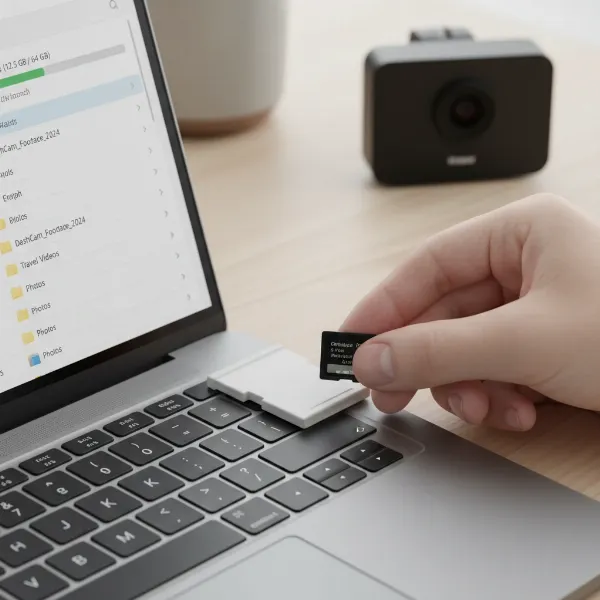 A hand transferring dash cam footage from an SD card to a computer, emphasizing data backup before formatting.
Understand Your Dash Cam’s SD Card Requirements
Not all SD cards are created equal, especially for the rigorous demands of a dash cam. Before formatting or purchasing a new card, ensure it meets your dash cam’s specifications. Key requirements include:
- Capacity: Most dash cams require a minimum of 32GB, but 64GB, 128GB, or even 256GB are often recommended for extended recording times, especially with higher resolution cameras or multiple channels.
- Speed Class: For smooth, uninterrupted recording of high-definition footage, a high write speed is crucial. Look for cards with Class 10, UHS Speed Class 1 (U1), or preferably UHS Speed Class 3 (U3) for 4K video.
- Endurance: Dash cams continuously write data, which can quickly wear out standard SD cards. High-endurance SD cards are specifically designed for these constant read/write cycles, offering greater durability and reliability over time.
Power Source Considerations
If you plan to format the SD card directly in your dash cam, ensure the device is connected to a stable power source (e.g., your vehicle’s ACC or On position). Interrupting the formatting process due to power loss can corrupt the SD card and render it unusable.
Understanding File Systems: FAT32 vs. exFAT
The file system dictates how data is organized and stored on your SD card. Choosing the correct file system is vital for compatibility and performance with your dash cam. The two primary file systems you’ll encounter are FAT32 and exFAT.
FAT32 for Smaller Cards
FAT32 (File Allocation Table 32) is a widely compatible file system, traditionally used for smaller storage devices. It is typically recommended for SD cards with capacities up to 32GB. However, FAT32 has a limitation: it cannot store individual files larger than 4GB. While this might not be an issue for short video clips, prolonged recordings, especially in higher resolutions, can exceed this limit. Many older dash cams are designed to work exclusively with FAT32.
exFAT for Larger Capacities and 4K Footage
exFAT (Extended File Allocation Table) is a more modern file system designed for larger storage devices and larger file sizes. It is generally recommended for SD cards with capacities greater than 32GB, as it supports files larger than 4GB, making it ideal for dash cams recording in 2K or 4K resolution. Most newer dash cams are compatible with exFAT, offering better performance for larger cards and higher quality footage. When in doubt, checking your dash cam’s user manual for the recommended file system is always a good practice.
Allocation Unit Size
When formatting on a computer, you might see an option for “Allocation Unit Size” or “Cluster Size.” For most dash cam uses, leaving this setting at its “Default Allocation Size” is usually sufficient and recommended. This setting determines the smallest block of data that can be stored on the card.
Method 1: Formatting Directly in Your Dash Cam (Recommended)
Formatting your SD card directly within your dash cam is often the safest and most recommended method. This ensures the dash cam applies the correct file system and folder structure optimized for its specific operation.
Step-by-Step Instructions:
- Insert the SD Card: Ensure your micro SD card is securely inserted into the dash cam’s SD card slot.
- Power On the Dash Cam: Turn on your dash cam, typically by starting your vehicle or connecting it to a stable power source.
- Stop Recording: If the dash cam automatically starts recording, stop it by pressing the designated button (often a red circle or record icon).
- Access Settings: Navigate to the dash cam’s menu or settings. The icon is usually a gear or a wrench.
- Find Storage/Memory Options: Look for options like “Storage,” “Memory,” “System Settings,” or “SD Card Settings”.
- Select “Format SD Card”: Choose the “Format SD Card” or simply “Format” option.
- Confirm and Erase: You will likely be prompted to confirm that you want to erase all data. Select “Yes” or “Confirm”.
- Wait for Completion: Allow the dash cam to complete the formatting process. A success message should appear.
- Restart (If Prompted): Some dash cams may require a restart after formatting. Follow any on-screen prompts.
Benefits of In-Camera Formatting
This method is preferred because it customizes the SD card specifically for your dash cam’s firmware, minimizing compatibility issues and ensuring optimal performance. It also creates the necessary folder structure for your dash cam to store video files, event recordings, and parking mode footage correctly.
Method 2: Formatting Using a Windows Computer
If you don’t have access to your dash cam or prefer to use a computer, formatting on a Windows PC is a straightforward process.
Step-by-Step Instructions:
- Insert the SD Card: Insert your micro SD card into an SD card adapter, then plug it into your computer’s card reader.
- Open File Explorer: Press
Win + Eto open File Explorer. - Locate the SD Card: Under “This PC” or “My Computer,” find your SD card drive.
- Right-Click and Select “Format”: Right-click on the SD card drive and select “Format” from the context menu.
- Choose File System:
- For cards up to 32GB: Select FAT32.
- For cards larger than 32GB: Select exFAT.
- Leave “Allocation unit size” at “Default allocation size”.
- Quick Format vs. Full Format:
- Quick Format: Check the “Quick Format” box for a faster process. This simply deletes the file table.
- Full Format (Uncheck “Quick Format”): Uncheck “Quick Format” for a more thorough process that scans for bad sectors and completely overwrites all data. This takes longer but can help resolve underlying card issues. For dash cams, a full format is often recommended for better long-term reliability.
- Start Formatting: Click “Start” and confirm any prompts that appear.
- Wait for Completion: The process may take a few seconds (quick format) to several minutes or longer (full format), depending on the card’s size.
> “Using your dash cam to format the SD card ensures the perfect compatibility, as the camera sets up its own specific file system and folder architecture. This is often the most overlooked yet vital step for consistent performance.” – John Smith, Senior Dash Cam Technician
Method 3: Formatting Using a Mac Computer
Mac users can also format their dash cam SD cards using the built-in Disk Utility or a dedicated SD card formatter tool.
Step-by-Step Instructions (Disk Utility):
- Insert the SD Card: Insert your micro SD card into an SD card adapter, then plug it into your Mac’s SD card slot or an external card reader.
- Open Disk Utility: Go to
Applications>Utilities>Disk Utility. - Select the SD Card: From the sidebar, select your SD card (ensure you select the correct drive to avoid erasing your hard drive!).
- Click “Erase”: Click the “Erase” button at the top of the Disk Utility window.
- Choose Name and Format:
- Name: You can leave it as “Untitled” or give it a custom name.
- Format: Choose exFAT (often recommended for dash cams) or FAT32, depending on your card’s size and dash cam’s requirements.
- Scheme: Select “Master Boot Record” (MBR) for maximum compatibility.
- Click “Erase”: Click “Erase” to begin the formatting process and confirm any warnings.
Using a Dedicated SD Card Formatter (e.g., SD Memory Card Formatter):
Some dash cam manufacturers, like Nextbase, recommend using the SD Memory Card Formatter tool provided by the SD Association for a more thorough formatting process, especially for Mac users. This tool can perform an “Overwrite Format,” which is similar to a full format, ensuring all data is completely wiped and the card’s performance is reset. If your dash cam manufacturer suggests a specific tool, follow their guidelines.
How Often Should You Format Your Dash Cam SD Card?
Due to the continuous write-and-overwrite cycles, dash cam SD cards experience significant wear. Regular formatting is essential to maintain optimal performance and prevent issues.
Most dash cam experts and manufacturers recommend formatting your SD card every 2-3 weeks to once a month. This routine maintenance helps clear out accumulated file fragments, “protected” files (event-triggered recordings that aren’t automatically overwritten), and errors that can lead to card corruption and recording failures. By regularly refreshing the card’s file system, you ensure a clean slate for new recordings and prolong the card’s overall lifespan.
Troubleshooting Common Formatting Issues
Even with the correct steps, you might encounter issues. Here’s how to address some common problems:
- “SD Card Error” Messages: This often indicates a corrupted file system or a failing card. Try formatting the card using one of the full format methods (in-camera or unchecking “Quick Format” on a computer). If the error persists, the SD card might be at the end of its life and needs replacement.
- Write Protection: If you can’t format the card, check for a physical “lock” switch on the SD card adapter or the card itself. Ensure it’s in the “unlocked” position. Sometimes, software issues can also cause write protection; try formatting on a different computer or using a dedicated SD card formatter.
- Incompatible File System: If your dash cam isn’t recognizing the card after formatting, you might have used the wrong file system (e.g., exFAT on an older dash cam that only supports FAT32). Reformat the card using the alternative file system, or refer to your dash cam’s manual.
- Slow Formatting Process: A very slow formatting process, especially a full format, can sometimes indicate bad sectors on the card. While a full format might help, it could also be a sign that the card is degrading and should be monitored or replaced.
 A person troubleshooting a dash cam SD card error, symbolizing common issues and solutions.
Conclusion
Mastering the art of correctly formatting your dash cam’s SD card is a fundamental skill for any driver who relies on their device for safety and peace of mind. By understanding why formatting is essential, how to prepare your card, and the various methods available, you empower yourself to prevent common issues like data corruption and recording failures. Remember, regular maintenance, especially formatting every few weeks, is key to extending your SD card’s lifespan and ensuring your dash cam captures every critical moment on the road.
Don’t let a simple formatting oversight compromise your dash cam’s performance. Take proactive steps to maintain your SD card, and enjoy the confidence that comes with a reliably recording device. What has been your biggest challenge with dash cam SD card maintenance?
Frequently Asked Questions
What is the best file system for a dash cam SD card?
For optimal compatibility and performance, the best file system depends on your SD card’s capacity. For cards up to 32GB, FAT32 is generally recommended. For cards larger than 32GB, exFAT is preferred, especially for high-resolution recordings, as it supports larger file sizes and is compatible with most modern dash cams. Always check your dash cam’s manual for specific recommendations.
Should I use quick format or full format for my dash cam SD card?
While a quick format is faster, a full format (by unchecking “Quick Format” on Windows or using an “Overwrite Format” tool on Mac) is generally recommended for dash cam SD cards. A full format thoroughly checks for bad sectors and completely erases all data, helping to resolve underlying card issues and ensuring greater reliability for continuous recording.
How often should I format my dash cam’s SD card?
It is highly recommended to format your dash cam’s SD card regularly, typically every 2-3 weeks to once a month. This routine maintenance helps prevent file corruption, clears out “protected” event files that aren’t automatically overwritten, and optimizes the card for continuous loop recording, thus extending its lifespan.
What happens if I don’t format my dash cam SD card?
Neglecting to format your dash cam’s SD card regularly can lead to several problems, including file corruption, recording errors, loop recording failures, and reduced card performance. Over time, these issues can render the card unreliable or completely unusable, meaning critical footage might not be saved when you need it most.
Can I use any SD card in my dash cam?
No, not all SD cards are suitable for dash cams. Dash Cams require specific types of SD cards that can withstand continuous write cycles. Look for “high-endurance” micro SD cards with sufficient capacity (e.g., 64GB-128GB) and a high-speed class rating (e.g., Class 10, U1, or U3) to ensure reliable and smooth recording of high-definition footage. Using standard SD cards can lead to premature failure and data loss.