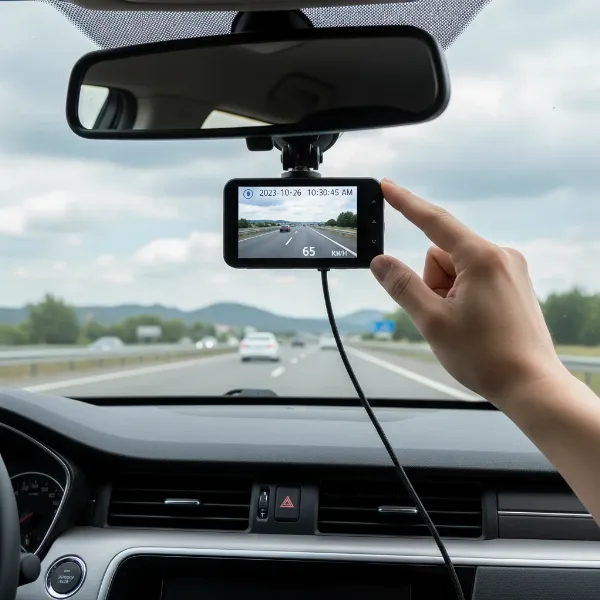
Navigating the roads in 2026 demands more than just skill; it requires an extra set of eyes. A dash cam is no longer a luxury but a crucial companion for every driver, offering undeniable evidence in accidents, deterring theft, and capturing unexpected moments. With advancements in technology, choosing the right dash cam can be overwhelming. This comprehensive guide will cut through the noise, offering an expert’s insight into the top 10 dash cams of 2026, ensuring you find the perfect device to safeguard your journey. We’ll delve into critical features, compare leading models, and provide practical advice to help you make an informed decision.
Choosing the Best Dash Cam: A Comprehensive Guide for 2026
Selecting the ideal dash cam for your vehicle involves understanding the various types available and the essential criteria that define a high-quality recording device. The market is flooded with options, each promising advanced features and superior performance. However, identifying what truly matters for your specific driving needs is paramount. From crystal-clear video resolution to intelligent parking surveillance, the best dash cams integrate seamlessly into your driving routine, providing peace of mind and reliable protection.
Popular Dash Cam Types
Dash cams come in several configurations, each designed to serve different monitoring needs. Understanding these types is the first step in narrowing down your choices.
- Front-Facing (Single Channel): These are the most common and typically the most affordable. They record only the road ahead, focusing on incidents directly in front of your vehicle. They are ideal for drivers primarily concerned with front-end collisions and basic incident recording.
- Front and Rear (Dual Channel): Offering comprehensive coverage, these systems include a main camera for the front and a secondary camera for the rear window. This setup provides crucial evidence for rear-end collisions and offers added security from all angles while driving. Drivers who want full vehicular protection often opt for dual-channel systems.
- Interior (Cabin) Dash Cams: Often paired with a front camera, interior dash cams record the inside of the vehicle. They are especially popular among ride-share drivers (Uber, Lyft), taxi drivers, or parents who want to monitor their passengers and the activity within the car. Many models use infrared (IR) LEDs for clear night vision inside the cabin.
- Mirror Dash Cams: These devices replace your existing rearview mirror or clip over it, featuring a display that can show live footage from both front and rear cameras. They offer a discreet installation and a larger viewing screen, often doubling as a digital rearview mirror. They are a sleek option for those looking to avoid windscreen clutter.
|
Our Picks for the Best Dash Cam in 2026
As an Amazon Associate I earn from qualifying purchases.
|
||
| Num | Product | Action |
|---|---|---|
| 1 | REDTIGER 4K Dash Cam Front Rear, STARVIS 2 Sensor, Free Card Included, 5.8GHz WiFi-20MB/s Fast Download, Dash Camera for Cars with GPS, WDR Night Vision, 170°Wide Angle, 24H Parking Mode(F7NP) |

|
| 2 | Dash Cam Front and Rear, 1080P Dash Camera for Cars, 3 Channel Car Camera Front Rear and Inside with 32GB Card, Loop Recording, Night Vision, HDR, 24Hr Parking, G-Sensor |
|
| 3 | WOLFBOX G840S 12" 4K Mirror Dash Cam Backup Camera, 5.8GHz WiFi Smart Rearview Mirror for Cars & Trucks, Front and Rear View Dual Cameras, Night Vision, Parking Assistance, Included 32GB Card & GPS |
|
| 4 | Garmin Dash Cam™ Mini 3, Ultracompact 1080p HD Dash Cam with a 140-degree Field of View, Built in Clarity™ Polarizer, Voice Controlled, Automatic Recording |
|
| 5 | 4K Dash Cam Front, Built-in 5G WiFi, 64GB Card Included, Dash Camera for Cars, Mini Dashcam with Super Night Vision, Loop Recording, G-Sensor, 24 Hours Parking Monitor, Support 256GB Max |
|
| 6 | VIOFO A229 Plus Dash Cam Front and Rear, Dual STARVIS 2 Sensors, 2 Channel HDR, 1440P+1440P Voice Control Car Dash Camera, 5GHz Wi-Fi, Voice Control, Ultra-Precise GPS |
|
| 7 | Dash Cam Front and Rear, 2.5K Dual Dash Camera for Cars, 2560P Mini Car Camera, 2 inch IPS Screen, 32GB Card Included, WDR Night Vision, 24 Hours Parking Monitor, G-Sensor, Support 256 GB Max |
|
| 8 | 4K+4K Dash Cam Front and Rear, Free 128GB Card Included, 5.8GHz WiFi Dash Camera for Cars, Built-in GPS, G-Sensor, 170°Wide Angle, 3" IPS Screen, 24H Parking Mode, Support 512GB Max |
|
| 9 | Dual 4K Dash Cam Front and Rear - Free 64G SD Card, 2160P+2160P UHD Dash Camera for Cars, Dashcam with 176°+160° Wide Angle, 3.5'' IPS Screen Dashcam, G-Sensor, WDR, Night Vision, 24H Parking Monitor |
|
| 10 | ROVE R2-4K DUAL Dash Cam Front and Rear, STARVIS 2 Sensor, FREE 128GB Card Included, 5G WiFi - up to 20MB/s Fastest Download Speed with App, 4K 2160P/FHD Dash Camera for Cars, 3" IPS, 24H Parking Mode |
|
Each type has its distinct advantages and limitations. For instance, while a front-facing dash cam is simple and effective, a dual-channel system provides a more complete picture of any incident. An interior camera adds another layer of security for professional drivers, and mirror dash cams blend functionality with aesthetics. Consider your primary concerns—accident evidence, parking security, or passenger monitoring—to guide your initial choice.
Key Criteria for Selecting a Dash Cam
Once you’ve considered the type, several technical specifications and features will differentiate good dash cams from great ones. Paying attention to these details ensures you invest in a device that meets your expectations for performance and reliability.
- Image Quality: This is arguably the most critical factor.
- Resolution: Look for at least 1080p Full HD. However, 2K (1440p) and 4K (2160p) dash cams are becoming increasingly common and highly recommended for capturing license plate numbers and fine details crucial for evidence. Higher resolution means clearer images, especially when zooming in on footage.
- Frame Rate: A frame rate of 30fps (frames per second) is standard, but 60fps offers smoother video, which can be beneficial for capturing fast-moving objects.
- Field of View (FOV): A wider angle (typically 140-170 degrees) captures more of the road, including multiple lanes and sidewalks. Be aware that excessively wide angles can introduce a “fish-eye” distortion.
- Features: Modern dash cams are packed with smart features that enhance safety and convenience.
- G-Sensor (Accelerometer): Automatically detects impacts or sudden braking and locks the current recording to prevent it from being overwritten. Essential for accident evidence.
- GPS: Records your vehicle’s speed and location data, embedding it into the video footage. This can be vital for accident reconstruction and proving your whereabouts.
- Loop Recording: Ensures continuous recording by overwriting the oldest footage when the memory card is full. Locked emergency files are protected from this process.
- Parking Mode (Surveillance): Powers the dash cam when your car is parked, using motion detection or G-sensor triggers to record incidents (e.g., hit-and-runs, vandalism). This feature often requires hardwiring the dash cam to your car’s battery or using a dedicated battery pack.
- Collision Warning Systems (ADAS): Advanced Driver-Assistance Systems can include features like lane departure warnings or forward collision warnings, providing audible alerts to help prevent accidents.
- Wi-Fi/Cloud Connectivity: Allows you to connect your smartphone to the dash cam to view, download, and share footage easily. Cloud connectivity takes this further, letting you access footage remotely and receive real-time alerts.
- Durability: A dash cam operates in challenging environments, enduring fluctuating temperatures and constant vibrations.
- Heat Resistance: Essential for regions with hot climates. Look for models that use supercapacitors instead of traditional lithium-ion batteries, as capacitors are more resistant to extreme heat and cold, leading to a longer lifespan.
- Vibration Resistance: The build quality should be robust enough to withstand continuous vehicle vibrations without compromising internal components or video stability.
- Brand Reputation: While new brands emerge, established manufacturers have a proven track record for reliability, customer support, and firmware updates. Brands like VIOFO, BlackVue, Garmin, Nextbase, and Thinkware are consistently recognized for their quality and innovation. Opting for a reputable brand often means better performance and support in the long run.
Considering these criteria will allow you to prioritize features based on your personal driving habits and budget, ultimately leading you to a dash cam that perfectly suits your needs.
Comparison Table: Top Dash Cams of 2026
| Model | Type | Resolution (Front/Rear) | Key Features | Price Range (USD) | Pros | Cons |
|---|---|---|---|---|---|---|
| VIOFO A129 Pro Duo | Front & Rear | 4K / 1080p | GPS, Wi-Fi, Supercapacitor, Parking Mode | $250 – $300 | Excellent 4K quality, Reliable, Good parking mode | App can be clunky, No built-in screen |
| BlackVue DR970X-2CH | Front & Rear | 4K / 1080p | Cloud Connectivity, GPS, Wi-Fi, Parking | $450 – $550 | Premium cloud features, Sleek design, Excellent reliability | Expensive, Requires subscription for full cloud features |
| Garmin Dash Cam 67W | Front-Facing | 1440p | Voice Control, GPS, Wi-Fi, Parking Mode | $200 – $250 | Compact size, Excellent image quality, User-friendly | Single channel only, Battery can struggle in extreme heat |
| Nextbase 622GW | Front-Facing | 4K | Image Stabilization, GPS, Wi-Fi, Alexa | $300 – $350 | Superb 4K, What3words, Emergency SOS, Excellent low light | A bit bulky, Higher price point |
| Thinkware U3000 | Front & Rear | 4K / 2K | Cloud, Radar Parking Mode, Supercapacitor | $400 – $500 | Advanced radar parking mode, Robust cloud, High endurance | Costly, Complex initial setup |
| VIOFO A139 Pro | Triple Channel | 4K / 1080p / 1080p | Wi-Fi, GPS, Supercapacitor, IR Interior | $350 – $400 | Comprehensive coverage, Good IR night vision, Solid performance | Larger footprint than some, App could be improved |
| COXPAL A1 | Front & Rear | 4K / 1080p | AI features, HDR, Wi-Fi, GPS | $300 – $380 | Advanced AI for driver alerts, Sleek design, Clear display | Newer brand, Long-term reliability to be fully established |
| Wolfbox G840H | Mirror Dash Cam | 2.5K / 1080p | Touch Screen, Streaming View, Parking | $150 – $200 | Large clear screen, Easy installation, Good value for money | Not as discreet as standard cams, Image quality less than premium 4K |
| Redtiger F7N | Front & Rear | 4K / 2.5K | Supercapacitor, Wi-Fi, GPS, Parking | $180 – $230 | Excellent value for 4K/2.5K, Reliable in heat, User-friendly interface | Less advanced cloud features, Design can feel generic |
| AZDOME M300S | Front-Facing (or Rear Option) | 4K | Voice Control, Wi-Fi, GPS, Loop | $100 – $150 | Budget-friendly 4K, Compact, Easy to use | Basic features, Build quality less robust than premium models |
In-Depth Reviews of Featured Dash Cams
Let’s dive deeper into some of the top picks for 2026, highlighting what makes them stand out.
VIOFO A129 Pro Duo: This dual-channel system continues to be a favorite among enthusiasts for its superb 4K front camera, capturing incredibly detailed footage. Paired with a 1080p rear camera, it provides excellent all-around coverage. Its reliance on a supercapacitor ensures durability in varying temperatures, a critical feature for long-term reliability. The parking mode, while requiring hardwiring, is highly effective, offering both buffered and time-lapse recording options. While its mobile app can sometimes be a bit clunky, the overall video quality and robust build make it a top contender for value and performance. The A129 Pro Duo hits a sweet spot for those seeking high-resolution evidence without breaking the bank, offering professional-grade features for everyday drivers.
BlackVue DR970X-2CH: For those prioritizing seamless cloud connectivity and a sleek, discreet design, the BlackVue DR970X-2CH is an unrivaled premium choice. Its 4K front camera and 1080p rear camera deliver crisp, clear video, but it’s the integrated BlackVue Cloud service that truly sets it apart. This allows for remote live view, push notifications for impacts, and cloud backup of footage—ideal for fleet management or simply staying connected to your vehicle from anywhere. The camera’s cylindrical design is unobtrusive, blending well with the car’s interior. Although it comes with a higher price tag and some cloud features may require a subscription, the reliability, advanced features, and exceptional user experience justify the investment for demanding users who want the very best in connected dash cam technology.
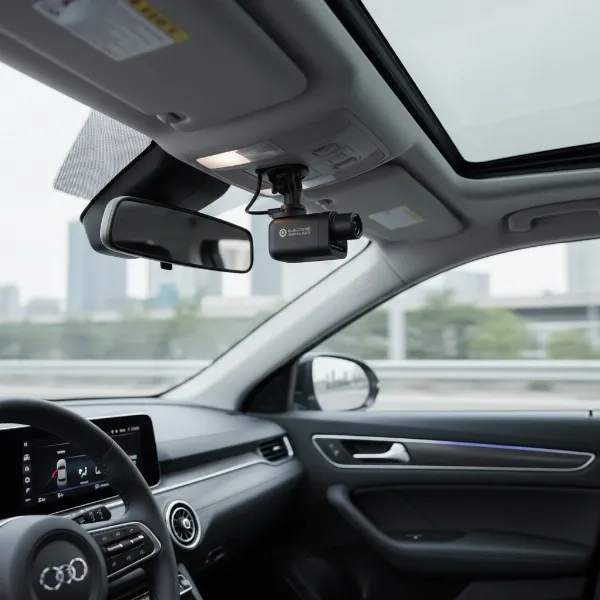 BlackVue DR970X-2CH premium dual dash cam with cloud connectivity
Nextbase 622GW: The Nextbase 622GW distinguishes itself with an array of innovative features beyond just excellent 4K video. It boasts image stabilization, which significantly reduces blur from road vibrations, and impressive low-light performance thanks to its larger sensor. Unique features like What3words integration for precise location sharing in emergencies and Emergency SOS, which alerts emergency services in case of a severe accident, elevate its safety credentials. It also comes with built-in Alexa, allowing for voice control. While its physical size is slightly larger than some competitors, the combination of superior video quality, advanced safety functions, and user-friendly interface makes it a strong choice for drivers who value both performance and cutting-edge assistance. Its comprehensive feature set makes it more than just a camera; it’s a driving assistant.
Thinkware U3000: The Thinkware U3000 is a powerhouse in the dash cam market, particularly noted for its advanced radar-based parking surveillance. This innovative feature allows the dash cam to detect approaching vehicles and initiate recording before a potential impact, minimizing power consumption while maximizing security. With 4K front and 2K rear recording, video clarity is exceptional. The U3000 also offers robust cloud features and uses a supercapacitor for enhanced durability. While its initial setup can be more complex due to its advanced functionalities and its price point is on the higher end, the peace of mind offered by its intelligent parking mode and high-end components makes it a top pick for those seeking ultimate protection and advanced surveillance.
Dash Cam Buying Guide
Purchasing a dash cam involves more than just picking a model; it’s about making an informed decision about where and how you buy, install, and maintain your device.
Where to Buy:
- Online Retailers: Websites like Amazon, Best Buy, and direct from manufacturer sites often offer the widest selection and competitive pricing. Look for official stores or authorized dealers to ensure authenticity and warranty coverage.
- Brick-and-Mortar Stores: Electronics retailers can provide hands-on experience and immediate support, though selection might be limited compared to online options.
- Specialty Car Audio/Accessory Shops: These shops often offer professional installation services, which can be invaluable for hardwired setups.
Installation Tips:
- Placement: Mount the dash cam centrally on your windshield, ideally behind your rearview mirror, to ensure it doesn’t obstruct your view while capturing the widest possible angle of the road. Ensure it’s within reach for easy access to controls.
- Power Source:
- Cigarette Lighter: Simplest plug-and-play option. Easy to install but takes up your lighter socket and usually doesn’t support parking mode.
- Hardwiring Kit: Recommended for clean installation and enabling parking mode. Connects directly to your car’s fuse box, drawing power without affecting your lighter socket. Professional installation is often recommended for this.
- OBD Cable: An alternative to hardwiring, connecting to your car’s OBD-II port. Easier than hardwiring but may not be compatible with all parking modes.
- Cable Management: Route cables along the windshield trim and tuck them into the headliner or dashboard seams for a neat and professional look, avoiding dangling wires that can distract or obstruct airbags.
Usage and Maintenance Advice:
- SD Card: Always use a high-endurance, reputable brand microSD card (e.g., SanDisk High Endurance, Samsung Pro Endurance). Dash cams constantly write and rewrite data, requiring cards specifically designed for this heavy workload. Format the card regularly (monthly is a good practice) to prevent corruption and ensure smooth operation.
- Firmware Updates: Check the manufacturer’s website periodically for firmware updates. These can improve performance, add new features, and fix bugs.
- Cleaning: Keep the lens clean and free from smudges to ensure clear video footage. Use a microfiber cloth.
- Temperature: While modern dash cams are designed for durability, avoid leaving your car parked in extreme direct sunlight for extended periods if possible, especially with battery-powered models. Supercapacitor models handle heat better.
Following these guidelines will help ensure your dash cam performs optimally and provides reliable service for years to come.
Common Questions When Buying a Dash Cam
Many questions arise when considering a dash cam purchase, especially with the variety of features and technical specifications available. Addressing these common concerns can help clarify your choices.
- Is a dash cam legal? Yes, dash cams are legal in most countries and regions. However, ensure the mounting position does not obstruct your view of the road. Privacy laws regarding recording others may vary by jurisdiction, so it’s always wise to check local regulations.
- Do dash cams drain your car battery? If hardwired for parking mode, a dash cam draws power from your car’s battery. Most hardwiring kits include a voltage cut-off to prevent excessive drain, shutting off the dash cam if the battery voltage drops too low.
- How long does a dash cam record? This depends on the size of your SD card and the video resolution. With loop recording, it continuously records, overwriting old footage. A 64GB card typically stores several hours of high-resolution video before looping.
- Do I need Wi-Fi or Cloud features? Wi-Fi allows easy access to footage on your smartphone. Cloud features add remote access and alerts, which are excellent for security and convenience but often come at a higher cost or subscription. For basic evidence, Wi-Fi is sufficient.
- Battery vs. Supercapacitor? Supercapacitors are preferred for dash cams due to their superior heat resistance and longer lifespan compared to traditional lithium-ion batteries. Batteries are more prone to degradation and swelling in extreme temperatures, making supercapacitors a more reliable choice for vehicle use.
Conclusion
Choosing the best dash cam in 2026 means investing in peace of mind and tangible protection on every journey. From crystal-clear 4K recording to intelligent parking surveillance, the right dash cam can be an invaluable witness, a deterrent against theft, and even a guardian in unforeseen emergencies. We’ve explored the diverse types, critical features, and top models, ranging from robust performers like the VIOFO A129 Pro Duo to premium, cloud-connected systems such as the BlackVue DR970X-2CH. Ultimately, the best dash cam for you aligns with your driving habits, budget, and specific security needs. By prioritizing key criteria like image quality, advanced features, and durability, and following proper installation and maintenance, you equip yourself with a powerful tool for safer travels.
What features do you value most in a dash cam, and how has a dash cam enhanced your driving experience?
Frequently Asked Questions
What resolution should I look for in a dash cam in 2026?
For optimal clarity and the ability to capture crucial details like license plates, a 4K (2160p) resolution is highly recommended for the front camera in 2026. If 4K is beyond your budget, 2K (1440p) offers a significant improvement over standard 1080p and is still very capable.
Is a dash cam with parking mode worth the extra cost?
Absolutely. A dash cam with parking mode provides continuous surveillance of your vehicle when it’s turned off, protecting against hit-and-runs, vandalism, and theft attempts. This feature often requires hardwiring or a dedicated battery pack but offers invaluable peace of mind, especially in public parking areas.
How often should I format my dash cam’s SD card?
It’s generally recommended to format your dash cam’s microSD card at least once a month. This helps maintain the card’s health, prevents data corruption, and ensures optimal recording performance, as Dash Cams constantly write and rewrite data. Always use a high-endurance SD card.