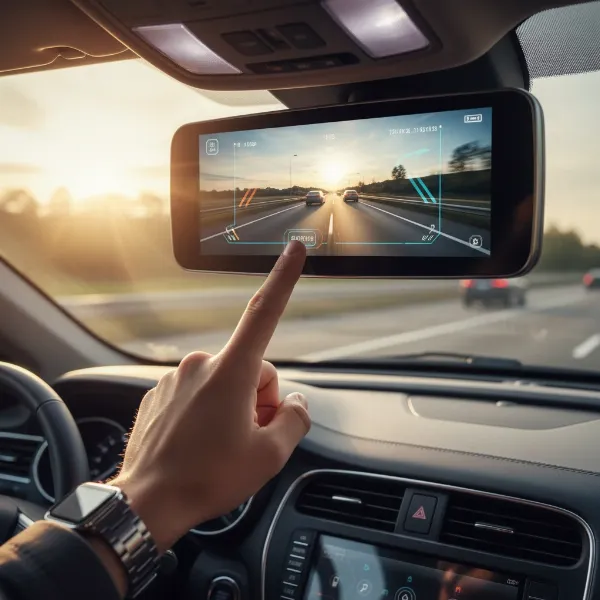
Being involved in a car accident is a jarring experience, often leaving drivers shaken and uncertain of the next steps. The immediate aftermath can be chaotic, and it’s not uncommon for fault to be disputed. If you find yourself in a collision that wasn’t your responsibility, knowing how to prove your innocence is crucial for protecting your legal rights and financial well-being. This guide, drawing on over a decade of dash cam expertise and accident analysis, outlines the essential steps and types of evidence you’ll need to demonstrate you were not at fault, focusing on how cutting-edge technology like dash cams can be your most powerful ally.
Immediate Steps to Secure Your Position After a Crash
The moments following an accident are critical for gathering evidence and protecting your claim. Your actions at the scene can significantly influence the outcome of any fault determination.
First and foremost, ensure the safety of everyone involved. Check for injuries and, if safe to do so, move your vehicle to the side of the road to prevent further incidents. Always call emergency services if there are injuries or significant damage.
Next, it’s vital to never admit fault at the scene. Even an innocent “I’m sorry” can be misconstrued as an admission of guilt later. Exchange information with all involved parties, including names, contact details, insurance information, and vehicle details (make, model, license plate).
Documenting the scene comprehensively is paramount. Take abundant photographs and videos from multiple angles. Capture the overall accident scene, focusing on the positions of all vehicles, skid marks, road conditions, traffic signals, and any relevant road signs. Include close-ups of vehicle damage on all cars involved, as well as any property damage. Note the date, exact time, and prevailing weather conditions. If there are witnesses, collect their names and contact information; their independent accounts can be invaluable. This meticulous documentation forms the bedrock of your defense.
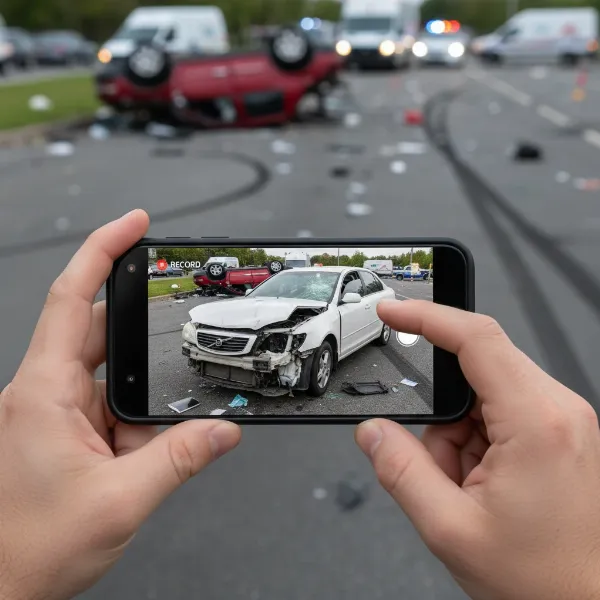 Person documenting car accident scene with phone, capturing vehicle damage and road conditions.
The Indispensable Role of Dash Cams in Proving No-Fault
In the complex landscape of car accidents, where conflicting testimonies are common, objective evidence reigns supreme. This is where dash cams become an unparalleled tool, offering an unbiased “eyewitness” to the events as they unfold.
A dash cam provides a clear, real-time video recording of the road ahead, and often, the rear and interior of your vehicle. This footage is invaluable for several reasons:
- Capturing Reckless Behavior: Dash cams excel at recording aggressive driving actions by others, such as sudden lane changes, excessive speeding, tailgating, or dangerous “brake checks” that might lead to a rear-end collision.
- Confirming Traffic Violations: If another driver runs a red light, blows through a stop sign, or fails to yield, your dash cam footage can definitively capture these violations, unequivocally establishing fault.
- Disproving False Claims: It’s not uncommon for an at-fault driver to try and shift blame. Dash cam footage can swiftly refute false accusations, demonstrating your adherence to traffic laws, your speed, and the actual movements of all vehicles.
- Supporting Police Reports and Insurance Claims: Law enforcement often prioritizes video evidence as it provides an immediate, clear picture of events, assisting in their report. Insurance companies are also more likely to approve claims backed by irrefutable video proof.
“Dash cam footage isn’t just another piece of evidence; it’s an objective truth-teller that can cut through conflicting narratives and definitively establish what happened.” – Dashcamon Admin, Automotive Technology Specialist
Dash cam view capturing an incident of reckless driving on a busy road.
For dash cam footage to be most effective, consider its quality and integrity. High-definition recordings with GPS data and timestamps are highly credible. Ensure the footage has not been edited or tampered with, as courts typically require proof of authenticity. Most modern dash cams have built-in encryption to prevent manipulation, making them a trusted source of evidence. Immediately after an incident, securely save your dash cam footage to prevent it from being overwritten or lost.
Essential Evidence Categories to Build Your Case
Beyond immediate actions and dash cam footage, a robust collection of evidence is vital for proving you were not at fault.
Police Reports
An official police report documents the details of the accident as observed and investigated by law enforcement. It often includes an officer’s assessment of fault, citations issued, and statements from drivers and witnesses. This report carries significant weight with insurance companies and in court.
Photographic and Video Evidence
As discussed, your own photos and videos are critical. This includes comprehensive imagery of vehicle damage, the final resting positions of cars, any skid marks, road debris, traffic signs, and signals. Document the surrounding environment to show visibility, road conditions, and anything that might have contributed to the crash.
Witness Statements
Independent witnesses who observed the accident can provide invaluable testimony. Their unbiased accounts can corroborate your version of events and add credibility to your claim. Be sure to collect their full names and contact information at the scene.
Medical Records and Injury Documentation
If you sustained injuries, obtaining detailed medical records is crucial. Doctor’s reports, diagnoses, treatment plans, and bills prove the extent of your injuries and their direct connection to the accident. This documentation is essential for claiming compensation for medical expenses and pain and suffering.
Event Data Recorder (EDR) or “Black Box” Data
Many modern vehicles are equipped with Event Data Recorders, similar to an aircraft’s black box. These devices record critical data moments before, during, and after a collision, such as vehicle speed, braking, steering input, and seatbelt usage. This objective data can be highly persuasive in determining fault, especially in complex cases.
Cell Phone Records
If the other driver claims you were distracted, or if you need to prove you weren’t, cell phone records can sometimes be used to show call or text activity (or lack thereof) around the time of the accident. Similarly, if you suspect the other driver was distracted, their records might be obtainable through legal channels.
Accident Reconstruction Experts
For particularly complex or severe accidents, an accident reconstruction expert may be employed. These professionals use scientific principles, physical evidence, and data (including EDR and dash cam footage) to recreate the accident sequence, providing a detailed analysis of how and why the crash occurred, and ultimately, who was at fault.
Navigating the Insurance Claims Process
Once you have gathered your evidence, the next step is to engage with insurance companies.
Contact Your Own Insurer First: Report the accident to your insurance company promptly, providing them with all the evidence you’ve collected, including your dash cam footage. Your insurer is there to protect your interests.
Be Cautious with the Other Driver’s Insurer: The other driver’s insurance company may contact you. Remember, their primary goal is to minimize their payout. Be polite but cautious. Avoid giving recorded statements without consulting your own insurer or an attorney. Do not agree to any settlement quickly, as the full extent of damages and injuries may not yet be apparent.
Consider Legal Counsel: If fault is heavily disputed, injuries are significant, or the other insurance company is uncooperative, consider consulting an experienced personal injury attorney. A lawyer can help navigate the complexities of insurance claims, gather additional evidence, and advocate on your behalf to ensure you receive fair compensation.
Common Mistakes to Avoid
In the aftermath of an accident, it’s easy to make missteps that could jeopardize your claim.
- Admitting Fault: As mentioned, avoid any statements that could be construed as admitting fault, even out of politeness.
- Delaying Medical Treatment: If you feel any pain or discomfort, seek medical attention immediately. Delays can lead the other party to argue your injuries were not caused by the accident.
- Failing to Document: Over-documenting is always better than under-documenting. Take more photos and videos than you think you need.
- Neglecting Dash Cam Footage: Forgetting to save or review your dash cam footage can mean losing critical evidence. Always save it immediately and ensure it’s backed up.
- Speaking Carelessly on Social Media: Anything you post online can be used against you. Avoid discussing your accident on social media.
Conclusion
Proving you weren’t at fault in a car crash requires diligence, preparedness, and a clear understanding of the evidence needed. From the immediate aftermath at the scene to navigating complex insurance claims, every step contributes to building a strong case. Investing in a quality dash cam is one of the smartest decisions a driver can make, transforming an often subjective blame game into a clear, objective assessment of responsibility. By collecting comprehensive evidence, especially irrefutable dash cam footage, and knowing your rights, you can protect yourself and ensure justice prevails on the road.
Are you fully equipped to protect yourself in an unexpected collision?
Frequently Asked Questions
Can dash cam footage always prove fault?
While dash cam footage is incredibly powerful, its effectiveness depends on clarity, relevance, and authenticity. High-quality, untampered footage that clearly shows the accident and the actions of all parties is usually highly persuasive in proving fault.
What if I don’t have a dash cam?
If you don’t have a dash cam, focus on collecting other forms of evidence, such as comprehensive photos and videos from your phone, witness statements, and the police report. Look for nearby surveillance cameras (CCTV) that might have captured the incident.
Should I provide my dash cam footage to the police or insurance company immediately?
Yes, you should provide relevant Dash Cam footage to your insurance company and the police (if they request it) as soon as possible. This objective evidence can significantly strengthen your claim and aid their investigation.
What if the other driver’s insurance company denies my claim despite evidence?
If the other driver’s insurance company denies your claim even with strong evidence, it’s advisable to consult a personal injury attorney. They can negotiate on your behalf, challenge the denial, and potentially pursue legal action to ensure you receive fair compensation.