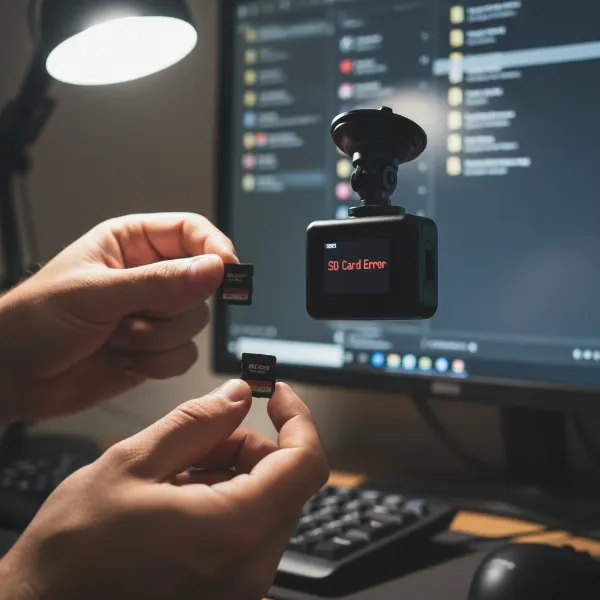
Navigating the world of car insurance can often feel like a complex puzzle, with drivers constantly seeking ways to reduce their premiums. Among the many potential solutions, dash cams have emerged as a popular discussion point. These compact devices offer an undeniable layer of protection on the road, but do they translate into tangible savings on your car insurance? As an experienced technician with over a decade in the dash cam industry, I can shed light on how these devices truly interact with your insurance policy, helping you understand both the direct and indirect financial benefits.
Direct Discounts: A Closer Look
When considering a dash cam, one of the first questions drivers often ask is whether it will immediately lead to a reduction in their insurance premiums. The direct answer is nuanced: while not universally guaranteed, some insurers do offer specific discounts for vehicles equipped with dash cams. In the United States, direct discounts are not yet a widespread offering from most major insurance companies. However, there are exceptions, such as at least one Ohio-based insurer that provides discounts to drivers utilizing specific partner dash cam brands.
The landscape is somewhat different in the UK, where a growing number of insurers are recognizing the value of dash cams. Here, drivers might find discounts ranging from 5% to 20% on their premiums. Companies like Nextbase, a prominent dash cam manufacturer, have even forged partnerships with insurers such as MyFirstUK, AXA, and Swiftcover to offer significant discounts, sometimes up to 30%, to their dash cam owners.
It is crucial to contact your specific insurance provider to inquire about their current policies regarding dash cam discounts. Many insurers may have particular conditions, such as requiring certain dash cam models or proof of installation and continuous use, to qualify for any offered savings. Furthermore, a noteworthy development in the commercial sector is a new Louisiana law, effective January 1, 2026, which mandates liability premium discounts for commercial trucks equipped with both dash cams and telematics systems. This indicates a growing governmental recognition of these devices’ benefits, potentially foreshadowing broader adoption in personal auto insurance in the future.
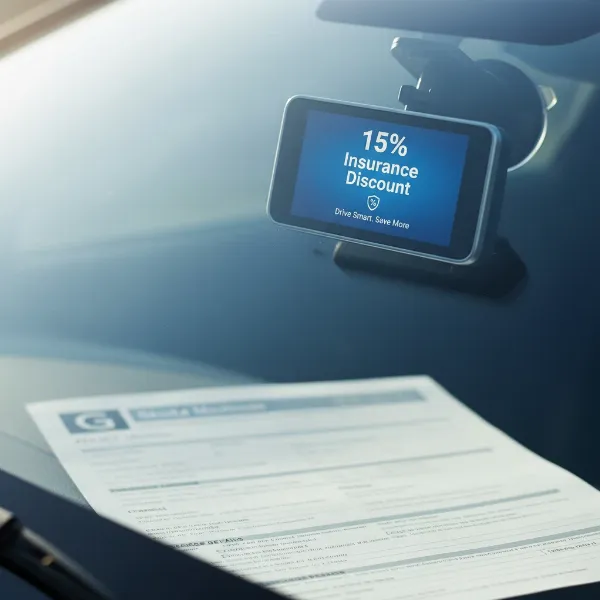 Dash cam screen showing a percentage discount overlaid on a car insurance policy document
Beyond Discounts: How Dash Cams Indirectly Save You Money
Even if your insurer doesn’t offer a direct discount, the strategic value of a dash cam extends far beyond an immediate premium reduction. These devices can significantly influence your long-term insurance costs and protect your financial well-being in several key ways.
Unquestionable Evidence for Claims
|
Our Picks for the Best Dash Cam in 2026
As an Amazon Associate I earn from qualifying purchases.
|
||
| Num | Product | Action |
|---|---|---|
| 1 | Garmin Dash Cam™ Mini 3, Ultracompact 1080p HD Dash Cam with a 140-degree Field of View, Built in Clarity™ Polarizer, Voice Controlled, Automatic Recording |

|
| 2 | REDTIGER 4K Dash Cam Front Rear, STARVIS 2 Sensor, Free Card Included, 5.8GHz WiFi-20MB/s Fast Download, Dash Camera for Cars with GPS, WDR Night Vision, 170°Wide Angle, 24H Parking Mode(F7NP) |
|
| 3 | Dash Cam Front and Rear, 2.5K Dual Dash Camera for Cars, 2560P Mini Car Camera, 2 inch IPS Screen, 32GB Card Included, WDR Night Vision, 24 Hours Parking Monitor, G-Sensor, Support 256 GB Max |
|
| 4 | 4K+4K Dash Cam Front and Rear, Free 128GB Card Included, 5.8GHz WiFi Dash Camera for Cars, Built-in GPS, G-Sensor, 170°Wide Angle, 3" IPS Screen, 24H Parking Mode, Support 512GB Max |
|
| 5 | Dash Cam Front and Rear, 1080P Dash Camera for Cars, 3 Channel Car Camera Front Rear and Inside with 32GB Card, Loop Recording, Night Vision, HDR, 24Hr Parking, G-Sensor |
|
| 6 | ROVE R2-4K DUAL Dash Cam Front and Rear, STARVIS 2 Sensor, FREE 128GB Card Included, 5G WiFi - up to 20MB/s Fastest Download Speed with App, 4K 2160P/FHD Dash Camera for Cars, 3" IPS, 24H Parking Mode |
|
| 7 | Dual 4K Dash Cam Front and Rear - Free 64G SD Card, 2160P+2160P UHD Dash Camera for Cars, Dashcam with 176°+160° Wide Angle, 3.5'' IPS Screen Dashcam, G-Sensor, WDR, Night Vision, 24H Parking Monitor |
|
| 8 | WOLFBOX G840S 12" 4K Mirror Dash Cam Backup Camera, 5.8GHz WiFi Smart Rearview Mirror for Cars & Trucks, Front and Rear View Dual Cameras, Night Vision, Parking Assistance, Included 32GB Card & GPS |
|
| 9 | 4K Dash Cam Front, Built-in 5G WiFi, 64GB Card Included, Dash Camera for Cars, Mini Dashcam with Super Night Vision, Loop Recording, G-Sensor, 24 Hours Parking Monitor, Support 256GB Max |
|
| 10 | VIOFO A229 Plus Dash Cam Front and Rear, Dual STARVIS 2 Sensors, 2 Channel HDR, 1440P+1440P Voice Control Car Dash Camera, 5GHz Wi-Fi, Voice Control, Ultra-Precise GPS |
|
The primary and most impactful benefit of a dash cam is its ability to provide clear, unbiased video evidence in the event of an accident. In a “he-said/she-said” scenario, dash cam footage can quickly and definitively establish who was at fault, eliminating ambiguity and protecting you from false accusations. This objective record is invaluable for resolving disputes swiftly and fairly.
Fighting Fraudulent Claims
Unfortunately, staged accidents and fraudulent insurance claims are a reality on our roads. A dash cam acts as your silent witness, recording any suspicious activity or deliberate collision attempts. This footage can be critical in protecting you from fraudulent claims, saving you from potential liability, increased premiums, and legal battles.
Streamlining the Claims Process
With clear video evidence from a dash cam, insurance companies can assess claims more quickly and efficiently. The time and resources typically spent on investigations, witness interviews, and accident reconstruction can be drastically reduced. This expedited process benefits both you and your insurer, potentially saving costs that can, in turn, contribute to more competitive premiums for all drivers over time.
Protecting Your No-Claims Discount
One of the most significant ways to keep your insurance costs down over the years is by maintaining a healthy no-claims discount (NCD). If you are involved in an accident where fault is disputed, and your dash cam footage proves you were not at fault, your NCD remains protected. This prevents the premium hikes that often follow an at-fault accident, ensuring your long-term savings remain intact.
Deterring Incidents & Promoting Safer Driving
While a dash cam doesn’t actively prevent accidents in the same way advanced driver-assistance systems do, its presence can subtly influence driver behavior. Knowing that their actions are being recorded can encourage drivers to be more cautious and adhere to traffic laws, potentially leading to fewer minor incidents and a safer driving environment overall. Some insurers acknowledge this psychological deterrent, drawing parallels to telematics or “black box” policies that reward safe driving. Dash cams also act as a deterrent for hit-and-run incidents, as they can capture crucial details like license plates.
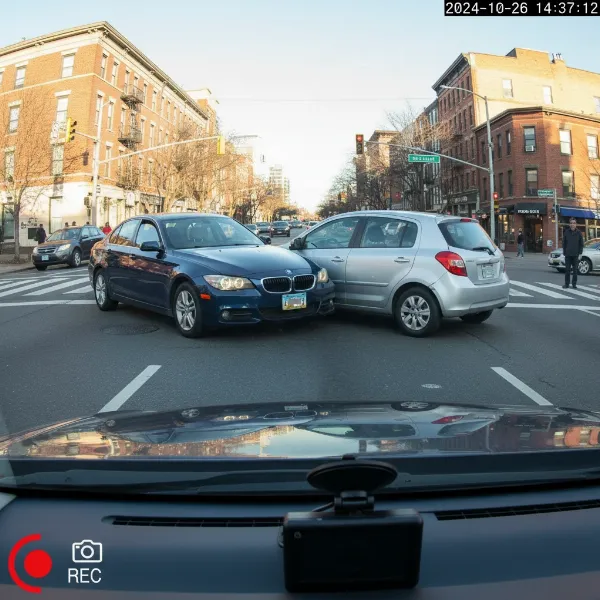 Dash cam view of a traffic incident with clear evidence, protecting driver from false claims
What Insurance Companies Consider
Insurance providers largely welcome dash cam footage as valuable evidence during a claim. A growing number of insurers, including major players, now readily accept and utilize this footage. They particularly value clear, timestamped recordings that accurately depict the events surrounding an incident.
However, some insurers, like Aviva, explain that they may not offer direct discounts because dash cams are often “very small and portable,” not permanently fitted to the vehicle in the same way an immobilizer or alarm might be. The primary reason many companies don’t offer upfront discounts is that a dash cam, fundamentally, doesn’t prevent an accident; it primarily serves to document it. Insurers offer discounts on features that reduce the likelihood of a claim (e.g., advanced safety features, winter tires in snowy regions), whereas a dash cam helps determine fault after a claim has occurred. Despite this, the clarity and speed of fault determination directly impact their operational costs, making dash cams undeniably beneficial for the claims process.
Maximizing Your Dash Cam’s Insurance Benefits
To fully leverage the potential insurance benefits of your dash cam, a few key practices are essential:
Choosing the Right Dash Cam
Opt for a dash cam that records in high resolution (1080p, 2K, or 4K) with a wide-angle lens to capture comprehensive details, including license plates and street signs. Features like G-sensor (to detect impacts and lock footage), loop recording, and parking mode (to monitor your vehicle while parked) are particularly valuable for insurance purposes. Reliable storage, such as a high-quality SD card, and easy footage retrieval are also crucial.
Proper Installation and Usage
Ensure your dash cam is installed correctly and does not obstruct your view of the road. It should be securely mounted, ideally behind your rearview mirror, and configured to record continuously whenever your vehicle is in operation. Regularly check that it is functioning properly and that its memory card has sufficient space.
Reporting to Your Insurer
Even if no discount is offered, it’s generally advisable to inform your insurance company that you have a dash cam. Some insurers may factor this into their claims handling procedures, and it can strengthen your position in the event of an incident. It also demonstrates your commitment to safe driving and transparency.
Handling Footage for Claims
If you’re involved in an incident, safely retrieve the relevant footage as soon as possible. Avoid sharing it on social media if there’s any chance it might be used in a legal or insurance claim, as this could potentially jeopardize your case. Your insurer will guide you on the best way to submit the footage, often through a secure online portal.
The Evolving Landscape of Dash Cams and Car Insurance
The relationship between dash cams and car insurance is continuously evolving. As technology advances and dash cams become even more sophisticated, integrating with telematics systems and offering advanced driver assistance features, it’s plausible that more widespread direct discounts will emerge. The Louisiana commercial vehicle law is a testament to this future, where the combination of recording devices and driving data directly correlates with insurance savings. Insurers are increasingly recognizing the undeniable value of dash cam footage in confirming accident details and streamlining claims, making these devices an integral part of modern vehicle safety.
“Dash cam footage is an invaluable tool for us; it transforms ‘he-said-she-said’ into clear fact, dramatically speeding up claim resolutions and ensuring fairness for all parties involved.” – Johnathan Hayes, Senior Claims Adjuster.
Conclusion
While the question of whether a dash cam directly lowers your insurance premiums doesn’t always yield a simple “yes,” the overall value proposition is undeniably strong. In some regions and with specific providers, direct discounts are a tangible benefit. More universally, however, dash cams serve as powerful indirect cost-savers by providing irrefutable evidence in accidents, deterring fraudulent claims, expediting the claims process, and protecting your vital no-claims discount. Investing in a dash cam is an investment in peace of mind, offering robust protection and potentially significant financial benefits for your car insurance in the long run. Have you considered how a dash cam could safeguard your next journey?
Frequently Asked Questions
Do all insurance companies offer dash cam discounts?
No, not all insurance companies offer direct discounts for having a dash cam. While some providers, especially in the UK, do offer discounts, it is not a universal practice in most regions, including the majority of the US. It’s always best to inquire directly with your insurer.
How much can a dash cam save on insurance?
Direct discounts, where offered, typically range from 5% to 20%, though some special partnerships (like Nextbase with MyFirstUK in the UK) can offer up to 30%. Indirect savings can be substantial by preventing premium increases due to at-fault accidents and speeding up claim resolution.
Should I tell my insurance company I have a dash cam?
Yes, informing your insurance company about your dash cam is generally recommended. Even if there’s no direct discount, it can be beneficial for claims processing, help resolve disputes, and protect you from false claims.
What type of dash cam is best for insurance purposes?
For insurance purposes, prioritize Dash Cams with high resolution (e.g., 1080p, 2K, 4K), a wide-angle lens, reliable loop recording, G-sensor incident detection, and a robust parking mode. These features ensure clear, comprehensive evidence capture for any incident.