In an era where vehicles are becoming smarter, safer, and more connected, the dash cam is evolving beyond a simple windshield attachment. Once primarily an aftermarket accessory, these crucial recording devices are rapidly transforming into sophisticated, integrated car systems, poised to reshape how we perceive vehicle safety and intelligence. As automotive technology accelerates, the standalone dash cam is giving way to a more cohesive, embedded approach, promising a future where your car’s recording capabilities are as intuitive and powerful as its driving assistance features. This shift heralds a new era for drivers, offering unprecedented levels of protection, convenience, and real-time insight into every journey.
The Evolution of Dash Cams: From Aftermarket to Integrated
For years, dash cams served as independent guardians of the road, offering vital evidence in accidents and protecting drivers from fraudulent claims. Their widespread adoption was driven by a clear need for personal accountability and security. However, as vehicle architecture grew more complex and connected, the limitations of standalone devices became apparent. The vision for the future sees dash cams deeply embedded within the car’s existing systems, a move that offers superior performance, enhanced reliability, and a far more integrated user experience. This integration is not just about aesthetics; it’s about leveraging the entire vehicle’s sensor suite and processing power to create a holistic safety and security network.
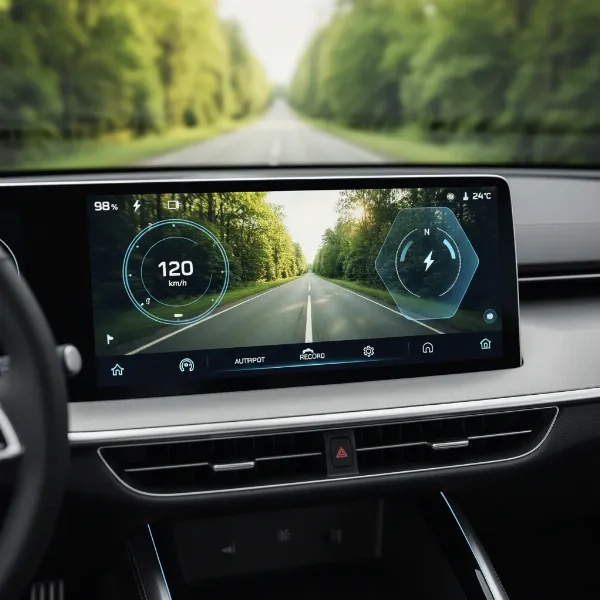 An advanced car infotainment system displaying a live dash cam feed, symbolizing seamless integration of dash cam features within the vehicle's core systems.
How Integrated Dash Cams Are Changing Vehicle Safety and Intelligence
The convergence of dash cam technology with core vehicle systems is creating a new paradigm for automotive safety and intelligence. This goes far beyond mere recording, transforming dash cams into proactive components of your driving experience.
Integration with Advanced Driver Assistance Systems (ADAS)
|
Our Picks for the Best Dash Cam in 2026
As an Amazon Associate I earn from qualifying purchases.
|
||
| Num | Product | Action |
|---|---|---|
| 1 | Dash Cam Front and Rear, 1080P Dash Camera for Cars, 3 Channel Car Camera Front Rear and Inside with 32GB Card, Loop Recording, Night Vision, HDR, 24Hr Parking, G-Sensor |

|
| 2 | Garmin Dash Cam™ Mini 3, Ultracompact 1080p HD Dash Cam with a 140-degree Field of View, Built in Clarity™ Polarizer, Voice Controlled, Automatic Recording |
|
| 3 | WOLFBOX G840S 12" 4K Mirror Dash Cam Backup Camera, 5.8GHz WiFi Smart Rearview Mirror for Cars & Trucks, Front and Rear View Dual Cameras, Night Vision, Parking Assistance, Included 32GB Card & GPS |
|
| 4 | Dual 4K Dash Cam Front and Rear - Free 64G SD Card, 2160P+2160P UHD Dash Camera for Cars, Dashcam with 176°+160° Wide Angle, 3.5'' IPS Screen Dashcam, G-Sensor, WDR, Night Vision, 24H Parking Monitor |
|
| 5 | 4K Dash Cam Front, Built-in 5G WiFi, 64GB Card Included, Dash Camera for Cars, Mini Dashcam with Super Night Vision, Loop Recording, G-Sensor, 24 Hours Parking Monitor, Support 256GB Max |
|
| 6 | ROVE R2-4K DUAL Dash Cam Front and Rear, STARVIS 2 Sensor, FREE 128GB Card Included, 5G WiFi - up to 20MB/s Fastest Download Speed with App, 4K 2160P/FHD Dash Camera for Cars, 3" IPS, 24H Parking Mode |
|
| 7 | Dash Cam Front and Rear, 2.5K Dual Dash Camera for Cars, 2560P Mini Car Camera, 2 inch IPS Screen, 32GB Card Included, WDR Night Vision, 24 Hours Parking Monitor, G-Sensor, Support 256 GB Max |
|
| 8 | REDTIGER 4K Dash Cam Front Rear, STARVIS 2 Sensor, Free Card Included, 5.8GHz WiFi-20MB/s Fast Download, Dash Camera for Cars with GPS, WDR Night Vision, 170°Wide Angle, 24H Parking Mode(F7NP) |
|
| 9 | 4K+4K Dash Cam Front and Rear, Free 128GB Card Included, 5.8GHz WiFi Dash Camera for Cars, Built-in GPS, G-Sensor, 170°Wide Angle, 3" IPS Screen, 24H Parking Mode, Support 512GB Max |
|
| 10 | VIOFO A229 Plus Dash Cam Front and Rear, Dual STARVIS 2 Sensors, 2 Channel HDR, 1440P+1440P Voice Control Car Dash Camera, 5GHz Wi-Fi, Voice Control, Ultra-Precise GPS |
|
One of the most significant advancements is the seamless connection of dash cams with Advanced Driver Assistance Systems (ADAS). Vehicles are already equipped with numerous cameras and sensors for features like lane-keeping assist, adaptive cruise control, and blind-spot detection. Future integrated dash cams will leverage these existing hardware components, transforming them into multi-functional eyes for both real-time assistance and continuous recording. This means the cameras your car uses to detect potential collisions can also capture high-resolution footage, providing a comprehensive safety net without redundant hardware. Such integration also enables predictive analytics, warning drivers of potential frontal collisions or unintentional lane departures before they occur.
Infotainment System Integration
Controlling a dash cam often involves small screens or dedicated smartphone apps. However, integrated systems will bring dash cam functionality directly to your car’s central infotainment display. Imagine managing recordings, adjusting settings, or viewing live feeds directly from your car’s large touchscreen, just like you would navigate or control music. While aftermarket solutions attempting to integrate with Apple CarPlay or Android Auto have sometimes faced connectivity issues, factory-installed systems are designed for harmonious operation, providing a streamlined and distraction-free user interface. This shift makes accessing and managing critical footage more intuitive and convenient than ever before.
AI and Advanced Sensors
The future of dash cams is undeniably intelligent, driven by advancements in Artificial Intelligence (AI) and sophisticated sensor technology.
- Driver Monitoring Systems (DMS): AI-powered dash cams can monitor driver behavior, detecting signs of distraction, drowsiness, or erratic driving, and providing real-time alerts to enhance safety. This internal cabin monitoring is crucial for both personal vehicles and fleet management.
- Multi-Camera Vision: Beyond front and rear cameras, integrated systems will offer 360-degree views, eliminating blind spots with multiple lenses capturing every angle around the vehicle. Some even feature in-cabin cameras for comprehensive coverage.
- Enhanced Night Vision and Thermal Imaging: Improved infrared sensors, combined with AI-driven brightness adjustment and noise reduction, will ensure crystal-clear footage even in pitch-black conditions. Thermal imaging capabilities could detect heat signatures, aiding visibility in extreme weather or for identifying pedestrians and wildlife.
- LiDAR Integration: For advanced driver-assist systems and ultimately autonomous vehicles, LiDAR integration adds crucial depth perception, allowing dash cams to contribute to a more accurate understanding of the vehicle’s surroundings.
- Event Tagging and Predictive Analytics: AI algorithms analyze driving patterns, automatically tagging critical events like sudden braking or collisions for easy review. This also enables predictive maintenance reminders by analyzing vehicle behavior over time.
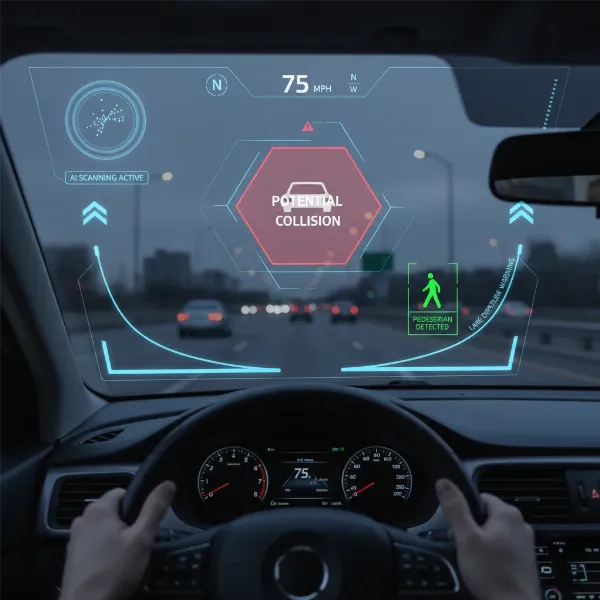 An AI-powered dash cam graphic overlaid on a car windshield, highlighting smart features like lane departure warning and forward collision alert, futuristic UI.
The Benefits of Integrated Dash Cam Systems
The move towards integrated dash cams offers a multitude of advantages, significantly enhancing the driving experience.
- Enhanced Safety and Accident Prevention: By combining with ADAS and AI, integrated dash cams move from passive recording to active prevention. Real-time alerts for lane departures, potential collisions, and driver fatigue can dramatically reduce the likelihood of accidents. The multi-camera setups also provide a more complete picture of the surroundings, increasing overall situational awareness.
- Seamless Evidence Collection: In the unfortunate event of an incident, integrated dash cams provide indisputable video evidence. Footage can be automatically uploaded to the cloud, ensuring it’s not lost due to device damage or theft. This streamlined evidence collection simplifies insurance claims and legal proceedings, often leading to quicker resolutions and protecting drivers from fraudulent claims.
- Improved Vehicle Security: Beyond driving, integrated systems offer superior parking surveillance. Utilizing the car’s existing sensors, they can detect impacts or suspicious activity when parked, automatically recording and sending alerts. Remote monitoring capabilities via cloud connectivity mean you can check on your vehicle from anywhere, offering unparalleled peace of mind.
- Streamlined User Experience: With controls integrated into the infotainment system and the advent of voice and gesture control, drivers can operate their dash cam without taking their hands off the wheel or their eyes off the road. This hands-free operation minimizes distraction and maximizes convenience.
- Fleet Management Advantages: For commercial fleets, integrated dash cams offer significant operational benefits. They enable comprehensive driver monitoring, targeted coaching based on recorded behavior, reduction of insurance costs, and improved overall fleet oversight. The ability to categorize risky events automatically and provide live-streaming capabilities helps fleet managers ensure safety and efficiency.
“Integrated dash cams aren’t just cameras; they’re an extension of the vehicle’s intelligence, working in concert with other systems to create a truly proactive safety shield.” — Dashcamon.com Admin, Automotive Imaging Expert
Navigating the Challenges of Integrated Dash Cams
While the future of integrated dash cams is bright, several challenges need to be addressed to ensure widespread adoption and effective implementation.
- Privacy and Data Security Concerns: Continuous recording, especially with interior cameras and cloud storage, raises significant privacy questions. Stricter regulations on data storage, access, and sharing will be crucial. Drivers need assurances about who can access their footage and how it will be used, particularly concerning personal conversations or locations. The legality of recording varies by region, necessitating clear guidelines for both manufacturers and users.
- Installation Complexities: For aftermarket solutions aiming for deep integration, installation can be complex, potentially requiring professional assistance and intricate wiring. While factory-installed systems circumvent this, the retrofit market still faces hurdles in achieving seamless integration.
- Potential for System Conflicts: Integrating new functionalities with existing vehicle electronics can sometimes lead to conflicts, especially with connectivity (e.g., dash cam Wi-Fi interfering with Apple CarPlay or Android Auto connections). Manufacturers must ensure robust compatibility and minimize system clashes.
- Cost Implications: Advanced integrated systems, particularly those factory-installed with sophisticated AI and sensor fusion, may come with a higher price tag. While the long-term benefits in safety and insurance savings could outweigh the initial cost, affordability remains a consideration for many consumers.
- Legal and Regulatory Landscape: As dash cams become more powerful and ubiquitous, governments worldwide are likely to introduce more regulations. These could cover everything from data privacy and retention to mandatory installation for commercial vehicles and standardized usage guidelines. Navigating this evolving legal landscape will be key for manufacturers and users alike.
The Road Ahead: What to Expect in the Coming Years
The trajectory for dash cam technology is clear: increasing integration, enhanced intelligence, and ubiquitous presence. We are rapidly moving towards a future where dash cams are not optional extras but fundamental components of every vehicle.
Dash cams are increasingly expected to become standard automotive equipment, shifting away from the aftermarket sector. This transition will be driven by the rising demand for comprehensive safety features and the natural evolution of ADAS, which already utilizes many of the same camera components. Further advancements in AI will lead to even more sophisticated predictive driving alerts and real-time analytics, making cars exceptionally proactive in preventing incidents. We will also see the development of more compact, high-resolution sensors, enabling superior clarity from smaller form factors. Cloud and IoT integration will deepen, offering seamless remote monitoring and comprehensive vehicle management solutions, including dual-SIM, multi-carrier connectivity for uninterrupted service. Personalized features through machine learning will allow dash cams to adapt to individual driving styles, offering customizable alerts and even predictive maintenance reminders.
Conclusion
The dash cam is on the cusp of a profound transformation, moving from a simple recording device to an integral part of the automotive ecosystem. The future promises seamless integration with vehicle systems, harnessing the power of AI and advanced sensors to deliver unparalleled safety, security, and convenience. While challenges related to privacy and system complexity exist, the benefits of preventing accidents, providing irrefutable evidence, and streamlining the driving experience are too significant to ignore. As vehicles continue their journey towards greater autonomy and intelligence, integrated dash cam systems will undoubtedly play a critical role, offering drivers a smarter, safer, and more connected journey on every road ahead. Are you ready for your car to truly see and think for itself?
Frequently Asked Questions
What is the main difference between an aftermarket dash cam and an integrated car system dash cam?
An aftermarket dash cam is typically a standalone device installed separately in a vehicle, while an integrated car system dash cam is built directly into the vehicle’s factory hardware and software, often utilizing existing cameras and displaying information on the car’s infotainment screen.
Will factory-installed dash cams make aftermarket dash cams obsolete?
While factory-installed dash cams are growing in popularity, especially in luxury and EV segments, aftermarket dash cams are unlikely to become entirely obsolete. They will continue to offer flexible, cost-effective solutions for older vehicles and for drivers seeking specific features not offered by their car’s OEM system.
How do integrated dash cams impact vehicle data privacy?
Integrated dash cams, particularly those with cloud connectivity and advanced AI features, raise significant privacy considerations regarding the collection, storage, and sharing of personal driving data. Clear regulations and user consent mechanisms are essential to address these concerns effectively.
Can integrated dash cams lower my insurance premiums?
Yes, many insurance companies offer discounts for vehicles equipped with dash cams, whether aftermarket or integrated, due to their ability to provide irrefutable evidence in accidents and deter fraud. Integrated systems may offer an added advantage due to their seamless operation and potential for advanced safety features.
Are there any global standards for integrated dash cam systems?
While there isn’t one universal global standard, regulatory bodies and industry groups are working towards establishing guidelines for Dash Cam functionality, data privacy, and integration with ADAS, especially as vehicles become more connected and autonomous. Drivers should check local laws regarding recording and data usage.